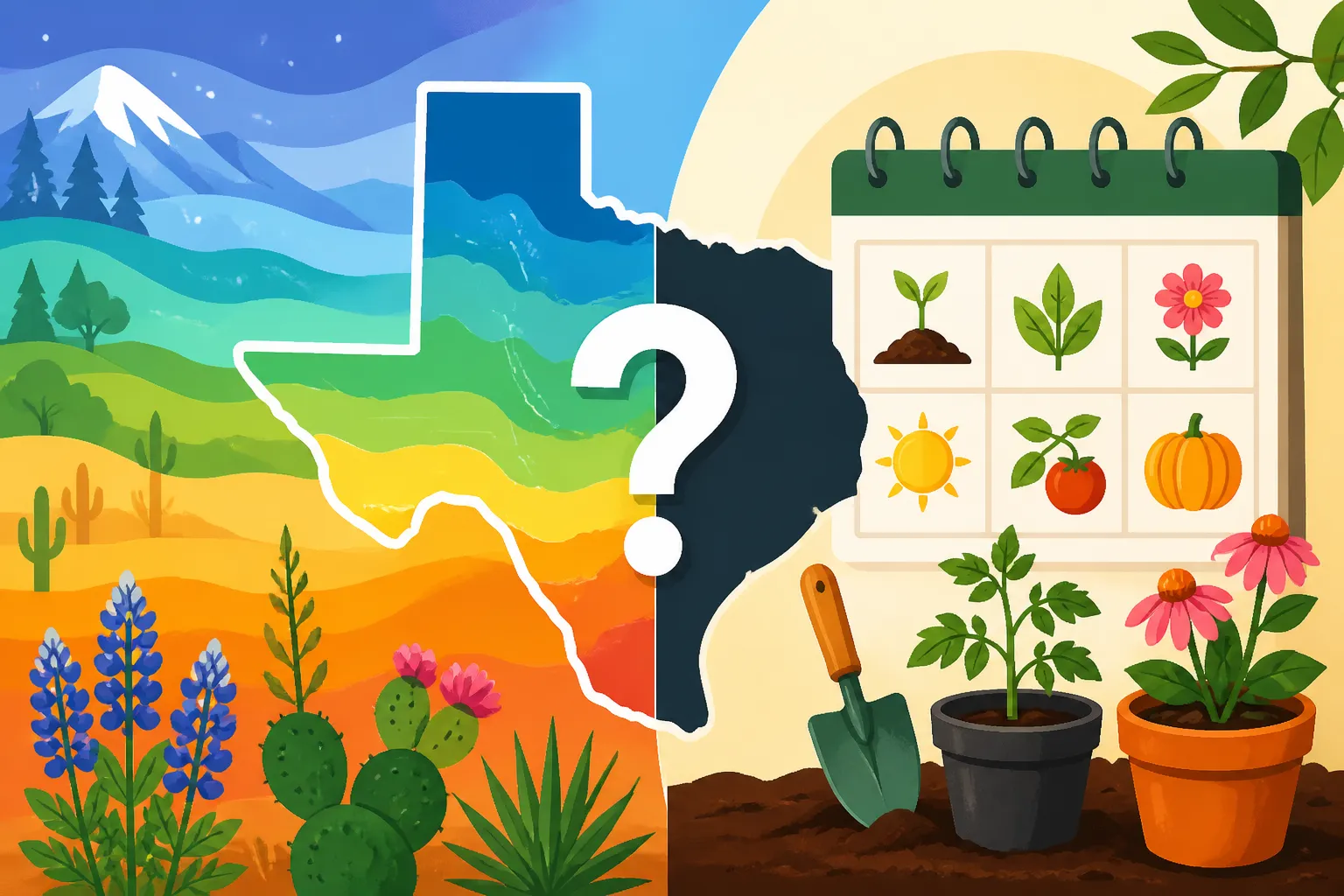
Does a Hardiness Zone Set Your Planting Calendar?
A USDA hardiness zone can help you choose plants that may survive winter, but it cannot tell you when to sow seeds or set out transplants. Texas gardeners also have to plan around spring and fall freezes, soil temperature, summer heat, rainfall and local microclimates. The key is to use your zone as one clue, then build planting decisions around the crop and the conditions in your yard.
What a hardiness zone tells you
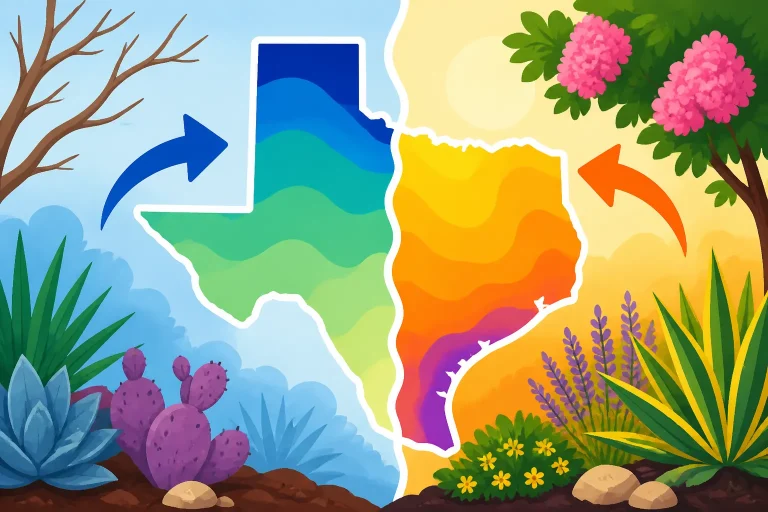
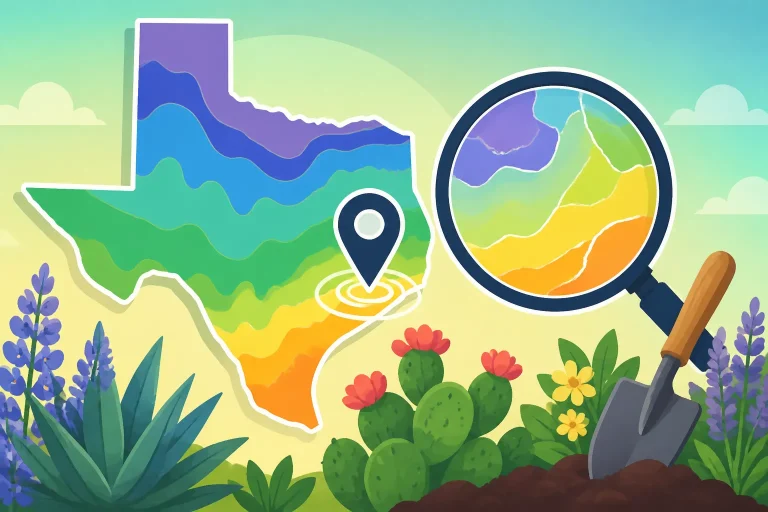
The USDA Plant Hardiness Zone Map groups locations by average annual extreme minimum winter temperature. A zone can help you compare the cold tolerance of perennial plants, shrubs and trees with the winter conditions in an area. It is useful when you are deciding whether a plant is likely to survive cold weather year after year.
It does not tell you the date of the last spring freeze, the date of the first fall freeze, or the length of the period between them. Nor does it show when soil is warm enough for a seed to germinate or when summer heat is likely to slow a crop. Those are different pieces of information, and they matter more directly when you are planning a vegetable sowing or transplanting schedule.
Think of a zone as a winter-survival reference, not a planting calendar. A plant listed as hardy in your zone may still be damaged by a late freeze after it has leafed out or begun to bloom. A vegetable that tolerates cool weather may still struggle if planted into cold, wet soil. And a heat-sensitive crop may lose vigor well before the first fall frost.
| Gardening question | Is a hardiness zone enough? | More useful information |
|---|---|---|
| Can this perennial or shrub survive typical winter cold here? | It is a helpful starting point | The plant’s cold tolerance, local exposure and winter protection needs |
| When can I sow beans outdoors? | No | Soil temperature, frost risk and the crop’s preferred growing conditions |
| When should I set out tomato transplants? | No | Forecast conditions, soil warmth, the remaining spring freeze risk and local heat |
| Can I plan for a fall harvest? | No | Days to maturity, sowing or transplanting conditions, and the likely timing of cold weather |
| Why did a plant suffer even though it was rated for my zone? | No | Freeze duration, wind, drainage, plant maturity, microclimate and seasonal timing |
When comparing plants, use the zone information as one filter among several. A perennial’s listed hardiness describes its ability to tolerate winter cold, not its tolerance of Texas summer heat, alkaline soil, drought, humidity or poor drainage. For a broader look at local winter ranges, see Texas Hardiness Zones: Winter Lows from the Panhandle to the Coast. To look up a location, use USDA Plant Hardiness Zones in Texas: Looking Up Your Zone by ZIP Code.
Why planting calendars need different clues
A planting calendar answers a timing question: when are conditions suitable for a particular crop or task? Hardiness zones answer a narrower question about winter cold. The two can support the same decision, but they are not interchangeable.
A calendar for vegetable crops needs to account for what the plant is doing and what it needs at each stage. A seed needs suitable moisture and soil warmth to germinate. A new transplant needs time to establish roots before intense heat, drought or cold stress. A fruiting crop needs conditions that support flowering and fruit development. A perennial may need time to root before winter, even if it can eventually survive the local winter minimum.
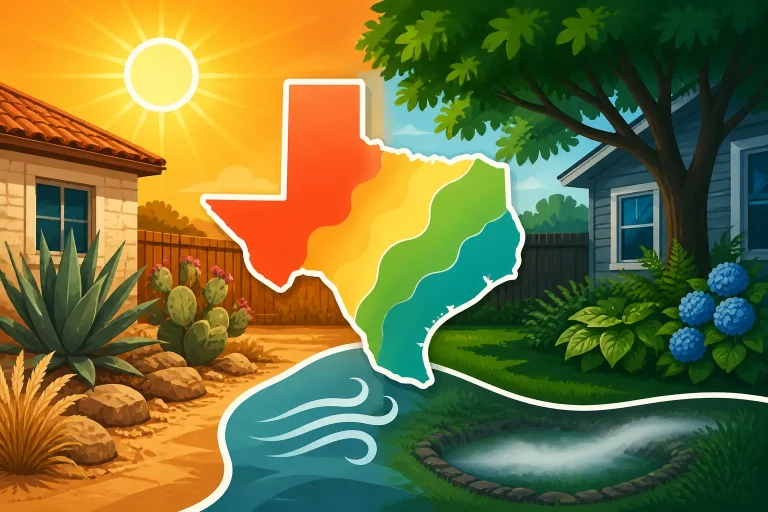
Texas makes the distinction especially important because conditions vary widely across the state. The Panhandle, North Texas, Central Texas, the Gulf Coast, East Texas, West Texas and South Texas do not share the same seasonal pattern. Even within a region, elevation, distance from the coast, nearby buildings, soil and exposure can change what happens in a particular yard.
A broad seasonal calendar can still help organize the year. It can identify likely cool-season and warm-season opportunities, and it can remind you to prepare for heat or freezes. But a calendar should be treated as a planning framework rather than a promise that the weather will follow a fixed schedule. For region-by-region planning, Texas Spring and Fall Planting Windows by Region and Month-by-Month Texas Gardening Calendar: Planning for Heat and Cold can help you organize the broader seasons.
Frost risk is not the same as hardiness
A plant may survive a winter in a location and still be vulnerable to a spring freeze. That is because winter hardiness and active-season frost sensitivity describe different risks.
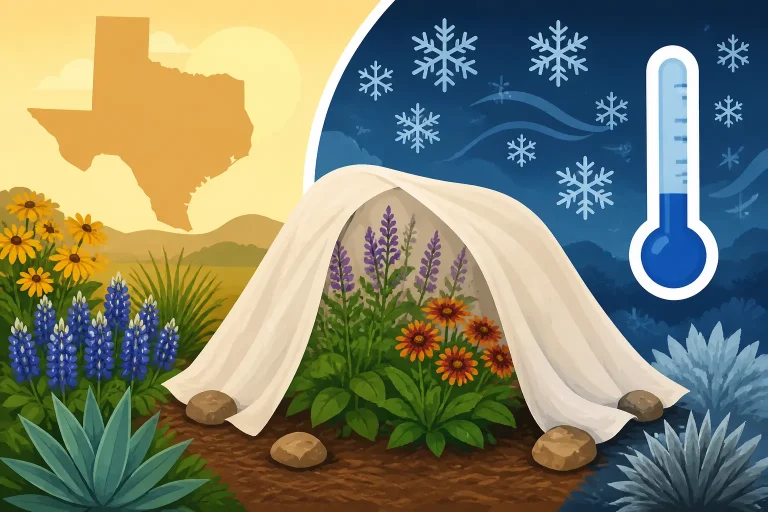
Many plants tolerate cold better while dormant than when their new growth is exposed. Buds, flowers, young leaves and tender stems can be damaged by temperatures that would not kill an established dormant plant. A fruit tree may survive winter but lose a season’s crop if an open flower is hit by cold. Young vegetable seedlings can also be more vulnerable than established plants.
Average freeze information is useful for estimating risk, but it is not a guarantee. A date representing a probability describes how often a threshold has occurred in a historical record; it does not predict what will happen in a particular yard this year. A freeze can arrive earlier or later than expected, and conditions can differ between a weather station and a garden.
Use freeze information as one planning input. Then check the current forecast before making a decision that depends on a stretch of frost-free weather. For more on how to interpret this information, see Spring and Fall Freeze Probability Milestones for Texas Gardeners and Interpreting Weather Station Freeze Normals for Texas Gardens.
Soil temperature and air temperature answer different questions
A sunny afternoon can make the air feel warm while soil remains cool. That matters because seeds and roots respond to conditions in the soil, not just the temperature reported for the air. Cold soil can delay germination and root growth, while wet soil can stay cool longer and create conditions that make establishment difficult.
Warm-season crops generally need warmer growing conditions than cool-season crops. But the right threshold depends on the plant and the task. A seed’s germination needs may differ from the conditions a transplant can tolerate. The soil may also warm unevenly, especially in raised beds, containers, shaded areas or exposed sites.
Instead of deciding from a hardiness zone or a single warm day, consider what the crop needs at the stage you are planting. If you are sowing seeds, check the crop’s guidance on soil conditions and planting depth. If you are transplanting, consider both soil warmth and the forecast. For crop-by-crop timing and choices, Texas Vegetable Planting Guide: Matching Crops to Your Region offers a useful next step.
The Texas factors a zone leaves out
A hardiness zone reduces winter cold to a useful comparison, but it cannot describe the full growing environment. In Texas, several other factors often determine whether a planting date works.
Spring and fall freeze timing
A zone does not specify when a spring freeze is likely to end or when fall cold may arrive. These seasonal transitions matter when choosing dates for tender crops, frost-sensitive flowers and newly planted landscape plants.
A spring planting decision involves more than asking whether the crop can tolerate a brief cool spell. Ask whether the plant is likely to face a damaging freeze at its current stage, whether the soil is suitable, and whether there is enough time to establish before heat intensifies. In fall, ask whether a crop can mature before cold weather limits growth.
Averages help with planning, but use them cautiously. A freeze-free interval is not identical every year, and a weather station’s record may not match a sheltered or exposed yard. See Freeze Risk and Growing Season Length Across Texas Regions for a broader look at the issue, and Do Airport Weather Station Freeze Dates Match Your Yard? for why local conditions can differ from station data.
Heat can close a planting window
In many Texas locations, heat is as important as cold when planning a garden. A cool-season crop may grow well in mild conditions but bolt, turn bitter or stop producing as temperatures rise. A warm-season crop may tolerate heat better, but extreme conditions can still interfere with flowering, fruit set or steady growth.
That means the best time to plant is not always the time that looks safest by winter-zone standards. A crop planted too late in spring may run into intense heat before it has produced much. A fall crop planted too late may face short days and cold before it reaches harvest size. These are calendar problems, not hardiness-zone problems.
Plan backward from the stressful season. For a spring crop, consider how long it needs to mature and how much heat it can tolerate near harvest. For fall, consider the time needed to germinate, establish and mature before cold slows growth. Managing Planting Schedules Around Summer Heat and Sudden Freezes explains how both kinds of stress can affect timing.
Soil, rainfall and drainage
Two yards in the same zone may have different planting results because their soils behave differently. Heavy clay can drain slowly and stay cold or waterlogged after rain. Sandy soil may warm faster but dry more quickly. Compacted soil can restrict roots. A raised bed may drain and warm differently from an in-ground bed.
Rainfall also varies, and a planting calendar cannot guarantee that soil moisture will be adequate. Newly sown seeds need consistent moisture to establish. Transplants need water while roots expand into surrounding soil. A warm spell accompanied by dry wind can stress new plants even when the season seems appropriate.
Before planting, check whether the site drains well and whether you can provide water during establishment. If your soil is an obstacle, Soil Preparation for New Texas Raised Beds and Planting Areas can help you consider site preparation. For irrigation planning, see Watering and Irrigation Setup for Texas Edible Gardens.
Yard microclimates
A yard contains smaller climates that a map cannot show. A south-facing wall may absorb heat and create a warmer spot. A low area may collect cold air. A paved patio can radiate heat toward nearby pots. Dense shade can delay soil warming, while a sheltered corner may reduce wind exposure.
These differences can shift planting conditions across a short distance. A warm pocket may be useful for a container that needs more warmth, but it may also expose a plant to greater heat stress. A frost pocket can damage tender growth even when nearby beds escape injury. Buildings and tree canopies may reduce some exposure while blocking sunlight or airflow.
Observe where frost lingers, where soil dries first and where afternoon heat is most intense. Those patterns help explain why a calendar that works for a neighbor may not fit your own site. For ways to identify these differences, read Why Yard Microclimates May Defy Your Texas USDA Zone and Cold Pockets vs High Ground: Spotting Yard Frost Pockets.
Build a planting calendar around the crop
The practical way to use a zone is to combine it with crop needs and local seasonal conditions. Start with the plant, then work out when its growing window is most likely to be suitable.
1. Decide what you want to grow
Begin with the crop or plant, not a general calendar date. A cool-season vegetable, a heat-loving vegetable, a perennial flower and a young tree have different timing needs. Even within a crop group, varieties can differ in days to maturity, tolerance of heat or cold, and suitability for a particular growing method.
For vegetables, decide whether you want a spring harvest, a fall harvest or both. Some crops perform best in cool conditions and are difficult to maintain through summer heat. Others need warm soil and should not be rushed into cold ground. For landscape plants, consider whether the plant has time to establish roots before the most stressful season.
A crop’s label or reliable growing reference should provide information on maturity, preferred conditions and planting method. Use those details alongside local seasonal information rather than assuming that all plants in a zone share a calendar.
2. Identify the main risk for that planting
Ask what is most likely to interfere with the crop: spring frost, late-season cold, hot weather, cold soil, drying winds, poor drainage or limited sunlight. The main risk may change with the season. A tender transplant started early may face cold; the same transplant started later may face heat before it establishes.
This is where zone information can help without controlling the entire decision. If you are choosing a perennial, check that its winter tolerance is appropriate for the area. Then separately consider whether the planting site and planting season support establishment. If you are growing a vegetable, use the zone as context, but focus more on soil and air conditions for that crop.
3. Estimate the workable window
For a spring crop, estimate how much time it needs before hot weather becomes a problem. For a fall crop, count back from the period when cold may slow or stop growth. Account for germination and transplant recovery, not just the days listed to maturity. Seed packets and plant labels may use different assumptions, and conditions can speed or slow growth.
Avoid treating an average freeze date as a firm cutoff. It is a planning reference, not a guarantee. If the crop is sensitive to cold, allow room for a forecast change or have a protection plan. If the crop is sensitive to heat, consider whether a later planting will mature before harsh conditions arrive.
For help comparing sowing methods and timing, see Indoors, Direct Sow, or Transplants? Planning Texas Vegetable Starts. If you are planning a fall bed, Fall Crop Schedules: Direct Seeding vs Transplanting in Texas can help you compare options.
4. Check the site before planting
A calendar cannot correct an unsuitable site. Check that the bed receives the needed light, the soil is workable and drainage is adequate. For containers, consider how quickly the pot warms and dries, and whether it can be moved if conditions change.
Look at the forecast close to the planting date. A short period of cold, heavy rain or intense heat can make an otherwise reasonable planting window a poor choice. If a forecast is uncertain, delaying a tender planting may be safer than trying to force it into a particular date.
5. Keep notes and adjust
Record planting dates, weather conditions, germination, harvest and any damage. A few seasons of observations can help you see whether a particular bed warms early, dries quickly or experiences cold air pooling. These notes make general calendars more useful by adding evidence from your own yard.
Do not judge a planting window by one unusual season. Weather varies from year to year. Instead, look for repeated patterns and adjust gradually. If a crop repeatedly struggles in spring heat, shift its schedule or focus on a fall crop. If a transplant suffers from cold, use a more cautious timing approach or choose a better-protected site.
Using zones for vegetables, perennials and trees
The role of a hardiness zone depends on what you are planting. It is most useful for plants that stay in place through winter, but even then it is only one part of selection and care.
Vegetables
For annual vegetables, hardiness zones tend to be less useful for setting exact sowing dates than crop-specific temperature and seasonal guidance. Most vegetables are planted for a particular growing window and may be removed when that window ends. Their success depends on soil warmth, frost risk, heat tolerance, maturity time and water.
A zone may provide context about the cold conditions an area can experience, but it cannot tell you when to plant tomatoes, beans, lettuce or carrots. A vegetable calendar should distinguish cool-season and warm-season crops and account for regional conditions. It should also consider whether you are sowing directly, growing transplants or buying nursery starts.
It is possible for a crop to be suitable for a broad region but poorly timed in a particular year. A late cold spell can damage tender growth, and a rapid shift to heat can shorten a spring harvest. For seasonal choices, Planning a Texas Vegetable Garden for Two Growing Seasons and What to Plant Now in Texas: A Season-by-Season Vegetable Guide provide useful framing.
Perennials and shrubs
For perennials and shrubs, the zone can help screen for winter survival. But it does not show whether a plant will thrive in the site’s soil, sun, water availability or summer heat. A plant that tolerates winter cold might still need afternoon shade, well-drained soil or supplemental water during establishment.
Planting time matters, too. A plant may survive winter once established but have a harder time if planted immediately before a period of cold or drought. Consider the time it needs to develop roots and whether you can provide appropriate care while it settles in.
Read the plant’s full requirements rather than relying on a zone number alone. Look for information about mature size, soil, drainage, sunlight and water needs. For broader selection guidance, see Matching Texas Native Plants to Your Ecoregion and Soil Type and Landscape Plants for Texas Beds: Matching Sun, Soil, and Drought.
Trees and fruit crops
A zone can help narrow choices for trees, but it does not guarantee good growth or fruit production. A tree may tolerate winter cold yet fail to thrive in a site with unsuitable drainage, restricted root space or poor exposure. Fruit trees can also be affected by winter chill needs, flowering time and spring freezes.
The date of a freeze can matter more than the coldest winter temperature. A late freeze may injure flowers or young fruit even when the tree itself is not at risk of dying. For a tree to produce well, winter conditions, pollination, soil, water and seasonal timing all need to work together.
For planting and selection decisions, consider the tree’s full site requirements and local growing conditions. Choosing the Right Tree for Your Texas Yard and Soil covers site matching, while Winter Chill and Late Freezes: Picking Texas Fruit addresses two seasonal factors that a hardiness zone alone cannot resolve.
Common mistakes when reading a planting calendar
A calendar can be useful, but it is easy to apply it too literally. These common mistakes often lead to planting at the wrong time or expecting more certainty than the information can provide.
Treating a zone as a planting date
A zone does not say that a crop is safe to plant on a particular day. It describes an aspect of winter climate. A calendar date should come from crop needs and local seasonal conditions, then be checked against the forecast.
Assuming a mild winter means an early spring planting is safe
A warm stretch does not remove the possibility of a later freeze. Tender growth can be harmed when cold returns. Before setting out plants that are sensitive to cold, consider the forecast and whether you can protect them.
Planting by the calendar without checking soil
A date on a chart cannot tell you whether a particular bed is still cold, saturated or too dry. Check the soil and the site. If the bed is wet and difficult to work, waiting can prevent damage to the soil structure and give plants a better start.
Forgetting that heat shortens the season
A spring planting can be lost to heat even when it avoids frost. Cool-season crops need enough time to grow and produce before temperatures become unfavorable. A fall crop needs enough time to establish before cold slows growth.
Applying a regional calendar to every yard
A regional schedule is a starting point, not an exact prediction. Shade, slopes, walls, tree cover, paving, soil and wind can change growing conditions. Use a broad calendar alongside observations from the actual planting site.
Confusing plant survival with performance
A plant that survives winter may not flower, fruit or look its best in a given location. Hardiness addresses survival under certain cold conditions, not all aspects of performance. Water needs, summer stress, soil, pests and the length of the suitable growing window still matter.
A practical decision checklist
Before planting, use this short checklist to connect the zone information with the conditions that directly affect the task:
- What am I planting? Identify whether it is a cool-season crop, warm-season crop, perennial, shrub or tree.
- What stage is it in? Seeds, young transplants, established plants, buds and flowers may respond differently to cold and heat.
- What does it need now? Check the crop’s preferred soil and air conditions, light, moisture and maturity time.
- What is the local seasonal risk? Consider spring frost, fall cold, summer heat, drying wind or saturated soil.
- What does the forecast say? Check for near-term conditions that could stress the plant after sowing or transplanting.
- What is the site like? Account for shade, slope, drainage, exposure, containers and nearby hard surfaces.
- Can I protect or move it? Decide whether a cover, a sheltered location or postponing the planting is a realistic option.
- What will I record? Note the planting date and results so you can refine your timing in future seasons.
The answer to the title question is no: a hardiness zone does not set a planting calendar. It helps assess winter survival, especially for plants that remain in the landscape. For sowing and transplanting, use crop requirements, freeze and heat risk, soil conditions, local microclimates and the forecast together. That approach is more reliable than following a zone number or a single calendar date on its own.
Frequently Asked Questions
Can I use my hardiness zone to decide when to plant vegetables?
Use it as background information, not as the planting date. Vegetable timing depends more directly on crop type, soil warmth, frost risk, heat, days to maturity and the planting method.
If a plant is hardy in my zone, can a freeze still damage it?
Yes. A plant may tolerate winter cold while dormant but be vulnerable when it has tender new growth, flowers or fruit. Hardiness does not guarantee protection from every freeze or weather condition.
Are average freeze dates reliable enough for planning?
They are useful for estimating risk, but they are not fixed dates or forecasts. Conditions vary from year to year, and a weather station may not match the temperatures in a specific yard.
Why can a planting calendar be wrong for my yard?
Regional calendars cannot account for every yard’s shade, drainage, slope, exposure, soil or nearby structures. Use the calendar as a starting point, then observe the site and adjust timing to local conditions.
Disclaimer
This article is for general informational purposes only and does not constitute professional advice. Laws, prices and regulations vary by location and change over time. Consult a qualified professional for guidance on your specific situation. Texas Gardening Hub is not a government agency and is not affiliated with any university extension, state department of agriculture or other government agency.