Did Your Texas USDA Hardiness Zone Shift on the Latest Map?
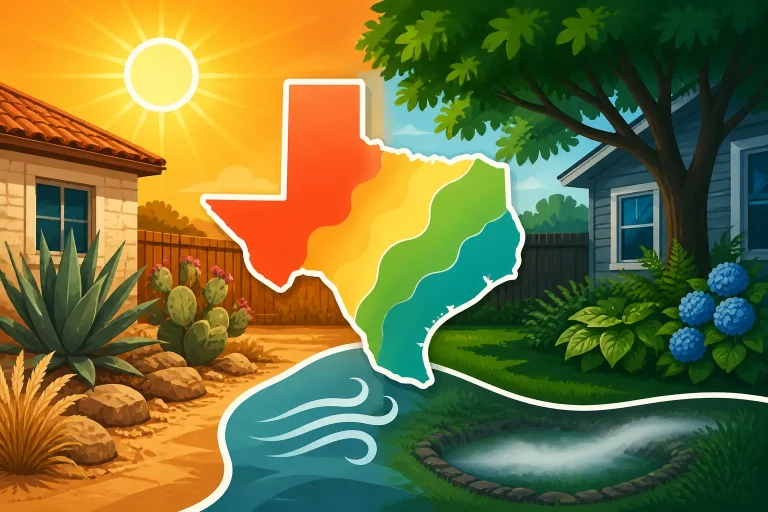
A Texas USDA hardiness zone may look different on the latest map, leaving gardeners unsure whether to change what they plant or when they protect it. A zone shift is useful information about typical winter cold, but it is not a planting calendar or a promise that tender plants will survive. Here’s how to interpret a new zone and make practical decisions for your yard.
What a shift on the latest map actually means
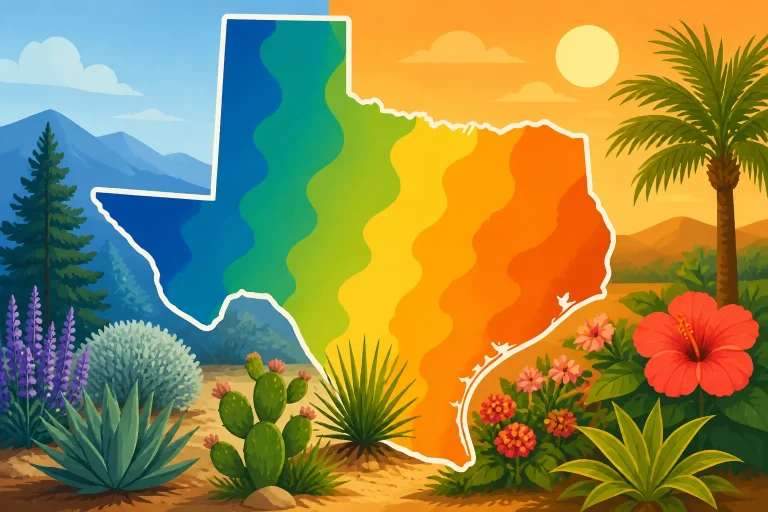
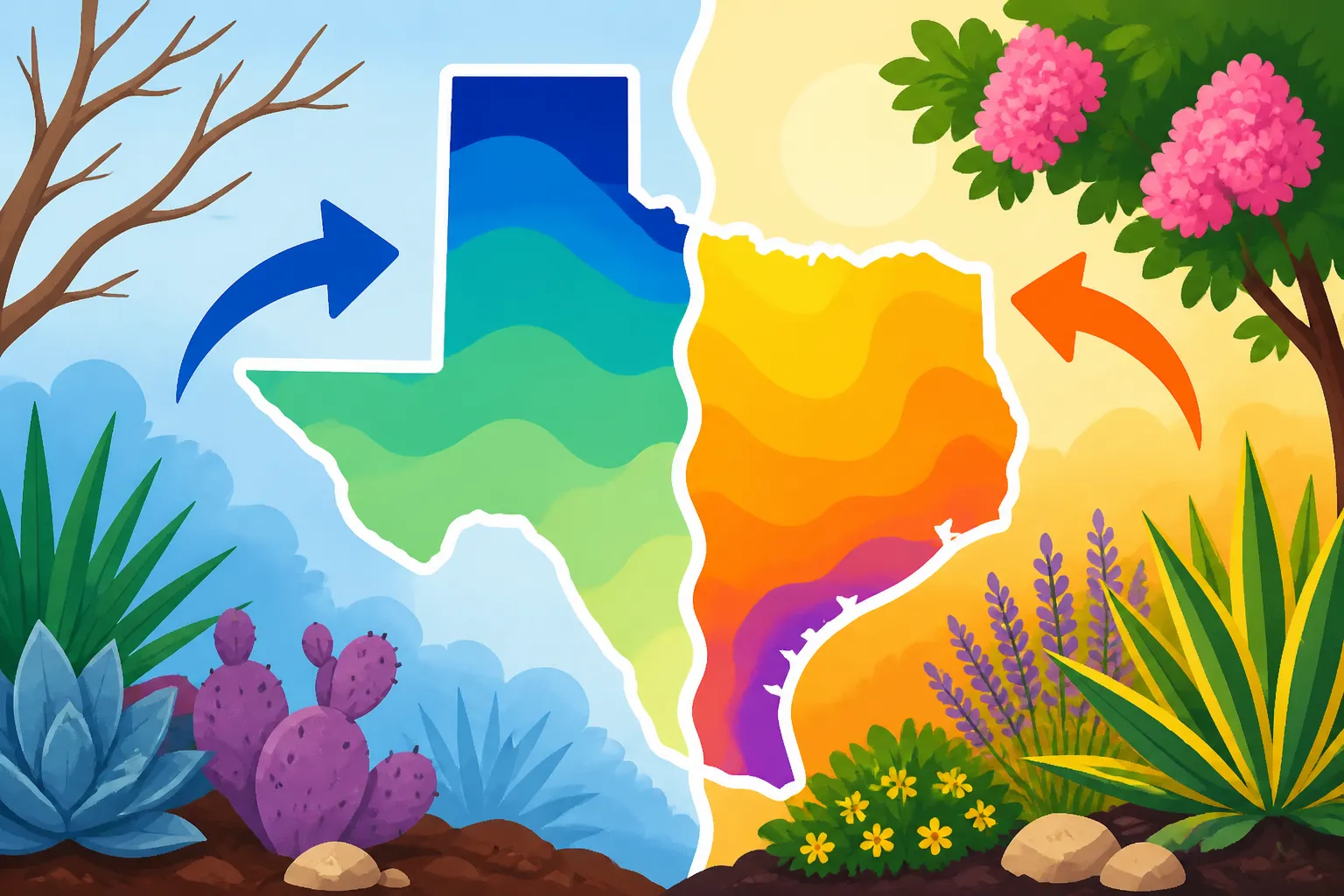
The USDA Plant Hardiness Zone Map groups locations by their average annual extreme minimum winter temperature. Each zone covers a range of temperatures, with half-zones marking narrower ranges. A shift means the mapped estimate for an area now falls into a different temperature band than it did on an earlier edition.
That distinction matters: the map describes a long-term pattern, not the coldest temperature a place could experience. It does not mean the next winter will match the new zone, nor does it show the coldest temperature in every yard. A hard freeze can still occur in a place that falls in a warmer zone.
A map update can also make boundaries look different without a dramatic change at an individual garden. New weather records and mapping methods can affect how the map represents small areas. A ZIP code may cover more than one local condition, and the map’s resolution cannot account for every slope, building, or patch of shade. For an overview of the state’s range of winter conditions, see Texas Hardiness Zones: Winter Lows from the Panhandle to the Coast.
It helps to separate three questions:
- What zone does the map assign to the area? This is a broad guide to typical winter minimum temperatures.
- What conditions does a particular yard experience? Walls, elevation, wind exposure, and cold-air drainage can make the yard warmer or colder than nearby locations.
- When is it safe to plant or leave a plant unprotected? That depends on the season’s weather, the crop or plant, and the consequences of a freeze.
The map is most useful for screening plants. If a perennial, shrub, or tree is described as hardy in your zone, that is a clue about its ability to withstand winter cold under suitable growing conditions. It is not a guarantee. A plant may still struggle because of summer heat, drought, wet soil, disease, or a sudden cold snap.
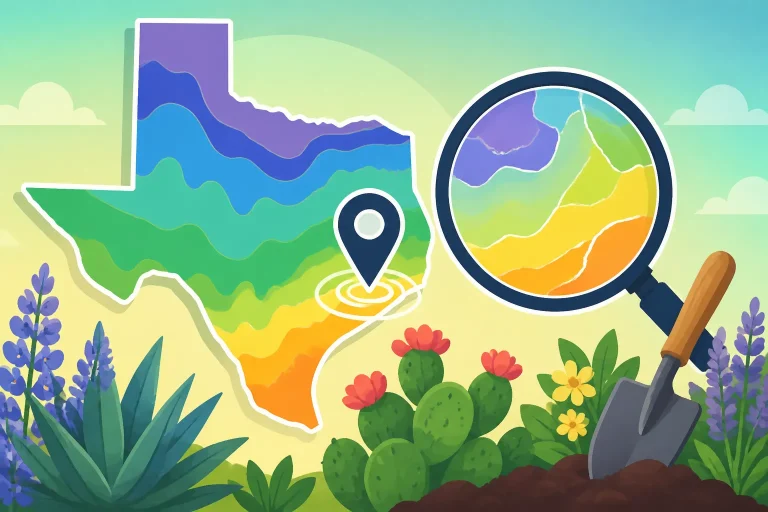
To look up your area, use the USDA map’s location search and compare the result with what you know about your garden. The map can help narrow the search, but a ZIP-code result should not be treated as a measurement from your property. USDA Plant Hardiness Zones in Texas: Looking Up Your Zone by ZIP Code explains how to interpret a lookup.
Why a Texas zone may have changed
A new map can reflect updated observations of winter temperatures and changes in how those observations are used to draw boundaries. A location’s assigned zone is based on a long-term average of annual extreme minimums, not on one particularly mild or cold winter. That means a shift is not simply a report that the most recent winter was warm.
The Texas landscape also varies widely. Winter conditions in the Panhandle are not the same as those near the Gulf Coast, and broad regional differences can occur across relatively short distances. The map tries to represent that variation, but no statewide boundary can capture every yard. A city, rural site, hillside, and low-lying pocket may have different exposures even when a map assigns them the same zone.
A few factors help explain why a zone boundary might move or appear more precise:
- Updated weather records: A revised map can use a different long-term period of observations than an earlier edition.
- More detailed mapping: Improved data or mapping techniques can change how temperature patterns are represented across a region.
- Natural year-to-year variation: Individual winters fluctuate. The map smooths that variability into a long-term average; it does not eliminate the possibility of unusually cold weather.
- Local terrain and exposure: Elevation, wind, nearby structures, and cold-air movement can create conditions that differ from a regional estimate.
It is tempting to interpret every warmer zone as proof that winter freezes are over, or every cooler zone as evidence that a yard is becoming unsuitable for certain plants. Neither conclusion follows from the map alone. The zone is one summary measure, and its value is limited to the question it was built to address: typical winter minimum cold.
For an individual gardener, the useful response is to check whether the map result changes a plant choice you were considering. If a plant was already a marginal fit, the shift may help you reassess it. If your garden has repeatedly experienced cold conditions that are harsher than the mapped estimate, the zone should not override those observations. For more on the limits of a map at yard scale, see Why Yard Microclimates May Defy Your Texas USDA Zone.
What the map can—and cannot—tell Texas gardeners
A zone shift can inform decisions about perennial plants, shrubs, and trees whose winter survival depends on minimum temperature. It can help you compare plant hardiness descriptions and identify options that may be a better match for a location. When choosing among plants, use the zone as an initial filter, then consider the plant’s light, soil, moisture, mature size, and tolerance of local summer conditions.
The zone does not tell you:
- The date of the last spring freeze or first fall freeze
- Whether a freeze is likely this week or this season
- How long a crop has to mature before cold weather arrives
- Whether a plant can tolerate Texas summer heat or drought
- How much wind, rain, or soil moisture your yard will receive
- Whether a particular plant will survive a sudden temperature drop
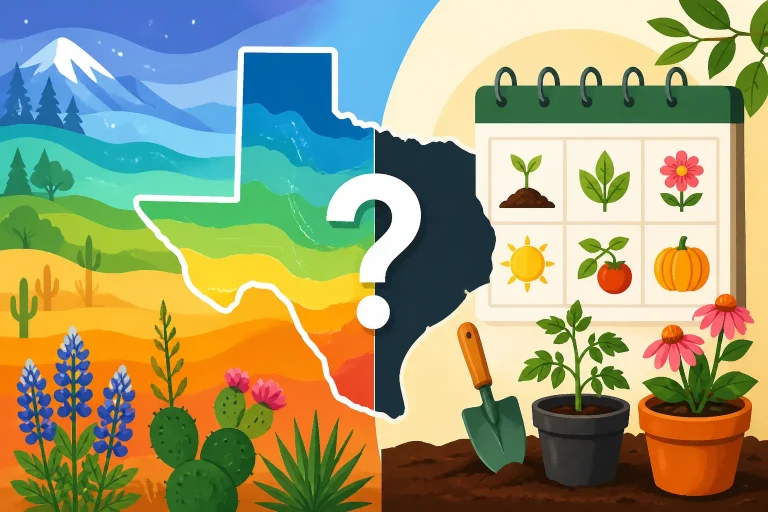
Those limits are important for vegetable planting. Many vegetables are scheduled around soil temperature, heat, seasonal frost risk, and days to maturity—not just winter hardiness. A hardiness zone cannot tell you when to sow seeds, set out transplants, or expect a harvest. Does a Hardiness Zone Set Your Planting Calendar? explains why those decisions require different information.
A zone is also not the same as a frost date. Freeze and frost risks vary by region and year, and a historical average is not a fixed deadline. The timing of an early or late freeze can change the amount of time a crop has to grow. Texas gardeners planning spring and fall crops should use regional freeze information alongside the map; Freeze Risk and Growing Season Length Across Texas Regions provides a broader look at those differences.
| Question | What the hardiness map helps with | What to check separately |
|---|---|---|
| Can this perennial or shrub tolerate typical winter cold here? | A first-pass comparison of a plant’s cold hardiness and the area’s zone | Yard exposure, plant condition, drainage, and unusually cold weather |
| When should I plant spring vegetables? | Little or no timing guidance | Local frost risk, soil warmth, crop needs, and current conditions |
| Can I leave a potted plant outdoors in winter? | A broad clue about regional winter cold | The plant’s specific needs, container exposure, forecast, and shelter options |
| Will this plant tolerate a Texas summer? | Not a reliable measure | Heat, sun, drought, humidity, and the plant’s water needs |
| Will my yard experience a freeze on a certain date? | No date forecast | Weather forecasts and local freeze-risk information |
For plant selection, read the hardiness information as a starting point rather than a pass-fail test. A plant rated to tolerate colder conditions than your area may have a better chance of withstanding ordinary winter cold, but its performance still depends on establishment, health, and site conditions. A plant near the edge of its hardiness range may need a protected location or may be more vulnerable to an unusually severe winter.
Likewise, a zone shift does not guarantee tender plants will become dependable landscape choices. A plant that survives average winter cold may still be damaged by a short, intense freeze or by a rapid temperature swing. Does a Warmer Texas Hardiness Zone Guarantee Tender Plants? looks at that distinction.
How to use a new zone in your garden
Treat a zone change as a reason to review your plant choices, not as an instruction to overhaul your yard. Start with the plants you care most about or are considering adding. Check their hardiness descriptions, then compare those needs with the map and the conditions at the planting site.
1. Confirm the map result for your area
Search by location using the official USDA Plant Hardiness Zone Map. A ZIP code can help you find the general area, but it may not describe the conditions at an individual property. If the result falls near a boundary, avoid treating that line as a sharp dividing point between safe and unsafe plants.
For a site-specific decision, consider whether your yard tends to be exposed to wind, sits on a slope, or occupies a low place where cold air gathers. These details do not change the map, but they can help explain why plants in your yard behave differently from those nearby.
2. Review plants by consequence, not just by number
Make a short list of plants that are important, expensive to replace, newly planted, or known to be sensitive to cold. Then ask:
- Does the plant’s hardiness description fit the mapped zone?
- Has the plant already survived winters in this exact spot?
- Is it sheltered or exposed?
- Is it in the ground or a container?
- Would losing it be a minor setback or a significant expense?
Past performance offers useful local context, but it is not a guarantee of future survival. A plant that made it through several mild winters could still be injured in a colder one. Conversely, a plant near the edge of a published range may do well in a sheltered microclimate.
3. Keep planting dates tied to weather and crop needs
Do not move vegetable planting dates simply because the zone changed. A warmer zone does not tell you whether the soil is ready, whether a late freeze is possible, or whether hot weather will arrive before a crop matures. Use seasonal planting guidance and current conditions for those decisions. Texas Planting Schedules for Veggies and Flowers can help connect regional timing with the needs of different crops.
For fall vegetables, the relevant question is often whether a crop has enough time to mature before cold conditions interfere. For spring crops, the question may be whether the plant can tolerate a cool spell or whether waiting for warmer soil is wiser. These are different from asking whether a perennial can tolerate an average winter minimum.
4. Think about the whole year, not only winter
Texas plants have to contend with more than winter lows. A site that seems favorable according to its zone can still expose plants to intense sun, hot soil, drought, wind, or poor drainage. A plant may survive winter but fail during a difficult summer. Match plants to the complete site rather than selecting them by hardiness alone.
If a new zone makes a plant seem more plausible, check its regional suitability and growing requirements before buying it. Consider whether you can provide the soil, light, and moisture it needs. A good match for one part of the state may not be a good match for another.
5. Use targeted protection for vulnerable plants
The map cannot predict the exact conditions of an upcoming cold event. When a freeze is forecast, decisions should be based on the plant, its location, and the expected weather. Young plants, tender growth, and exposed containers may need more attention than established plants that have survived previous winters.
Prepare by identifying which plants are most vulnerable and deciding what protection is practical for them. A zone shift does not mean you should stop monitoring forecasts or remove protection that has proved useful. Guidance on Frost and Freeze Protection Strategies for Texas Landscapes can help you think through options, while Spring and Fall Freeze Probability Milestones for Texas Gardeners provides context for seasonal risk. Always follow the product label when using any regulated product.
6. Keep simple records from your own yard
A basic garden log can make the map more useful. Note when cold injury appears, which locations are affected, whether the soil was wet or dry, and how plants recover. Record the plants that do well in exposed areas and those that need shelter. Over time, these notes help you distinguish the broad regional signal from your yard’s own patterns.
There is no need to measure every temperature to benefit from recordkeeping. Even a brief note that one side of the house stays protected while a low corner shows damage can guide future placement. That local knowledge is especially helpful when the map boundary runs near your area or when the map and your garden’s history seem to disagree.
Frequently Asked Questions
Does a new USDA zone mean my yard no longer gets hard freezes?
No. The map summarizes average annual extreme minimum temperatures; it does not rule out an unusually cold event. Continue to check forecasts and protect vulnerable plants when conditions warrant.
Should I replace plants because my zone changed?
Usually, a map shift alone is not a reason to remove established plants. Review their health, past performance, and site conditions first. Use the revised zone as one consideration when selecting new plants.
Does a warmer zone mean I can plant vegetables earlier?
Not by itself. Vegetable timing depends on crop requirements, soil conditions, seasonal frost risk, and heat. Use regional planting guidance rather than relying on the hardiness zone to set dates.
Why does a plant struggle if its hardiness rating matches my zone?
Hardiness describes tolerance to winter cold under suitable conditions. Summer heat, drought, wet soil, wind, poor establishment, pests, or an unusually severe freeze can still cause problems.
Disclaimer
This article is for general informational purposes only and does not constitute professional advice. Laws, prices and regulations vary by location and change over time. Consult a qualified professional for guidance on your specific situation. Texas Gardening Hub is not a government agency and is not affiliated with any university extension, state department of agriculture or other government agency.