Month-by-Month Texas Gardening Calendar: Planning for Heat and Cold
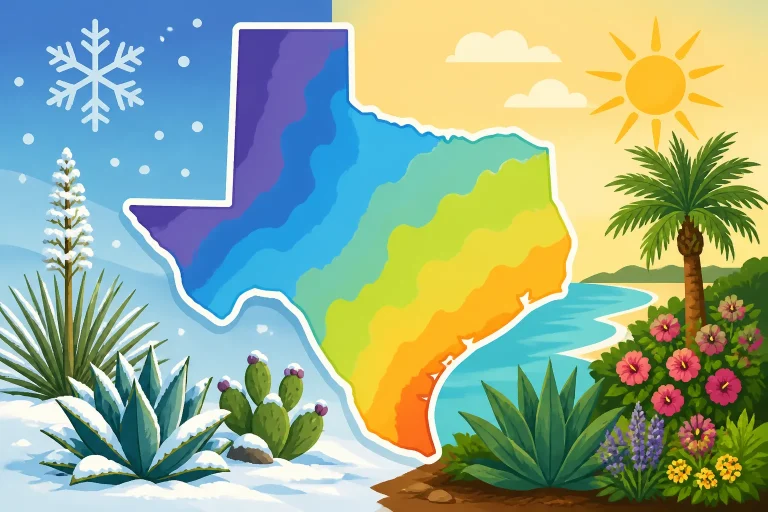
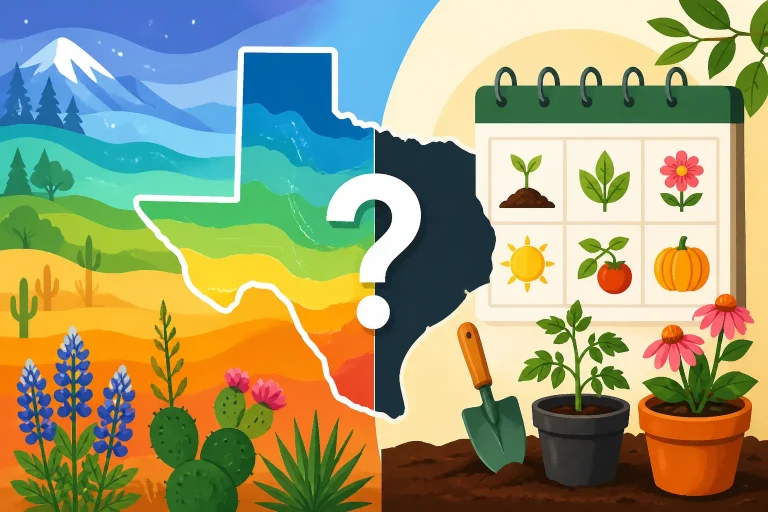
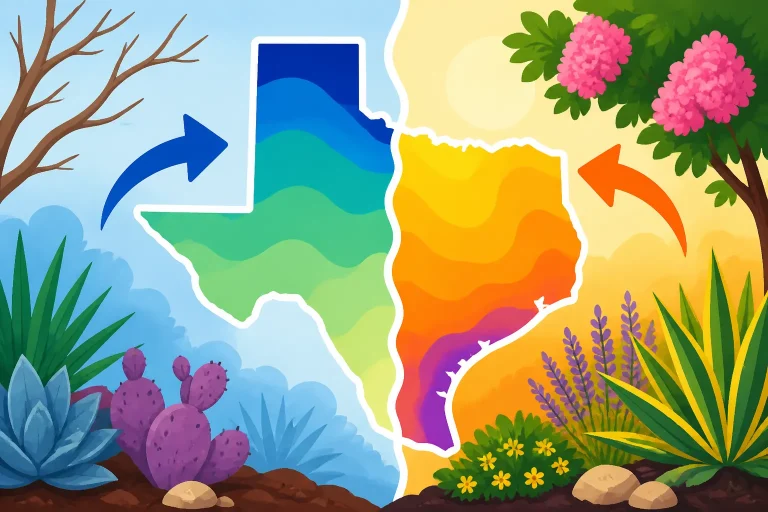
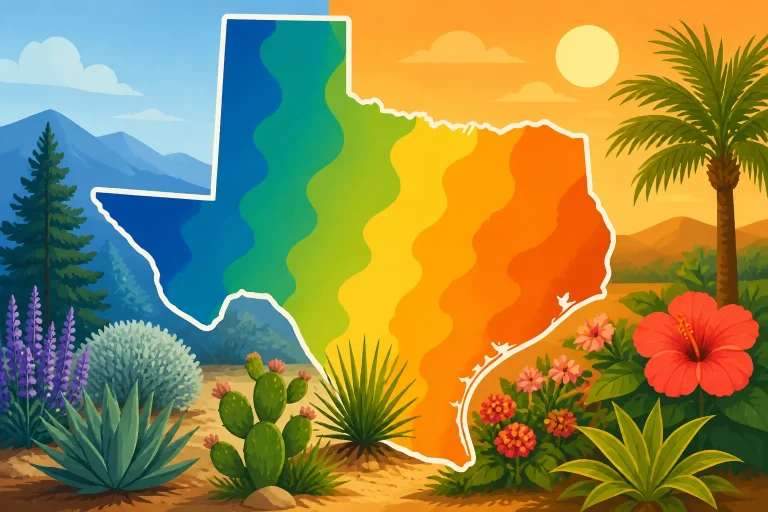
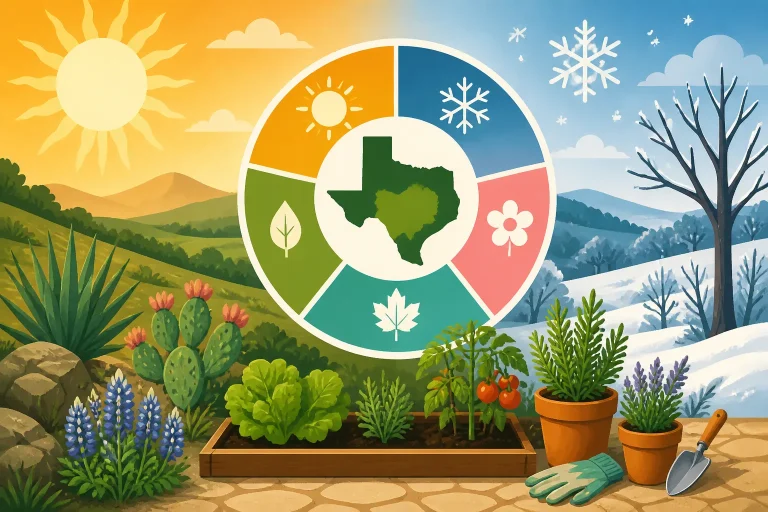
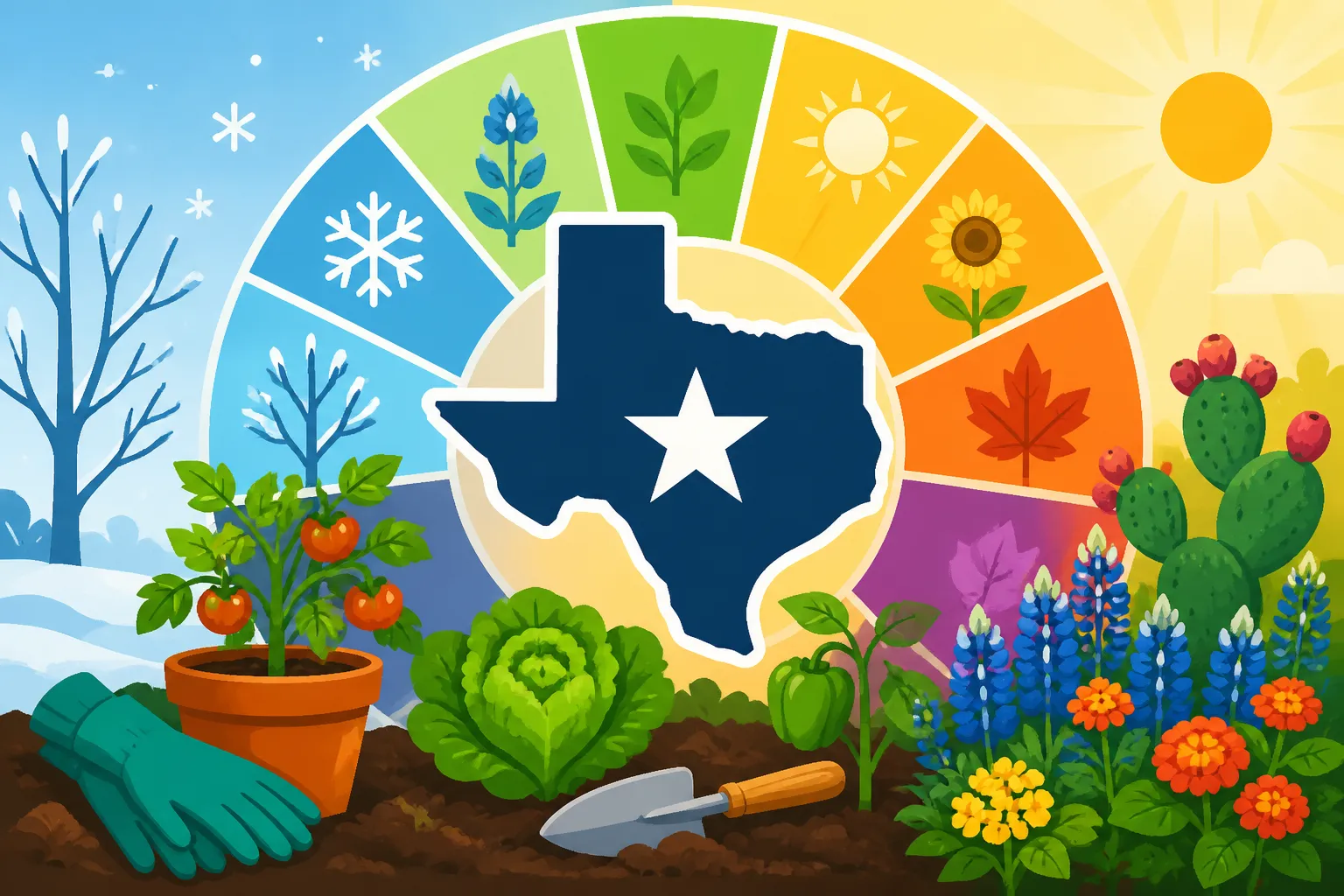
Texas gardening does not fit one tidy planting calendar. A schedule that works in a mild coastal yard may miss the mark in a colder or hotter part of the state, and sudden weather changes can disrupt plans anywhere. This month-by-month framework helps you choose useful tasks while letting local conditions—not the calendar alone—guide planting and protection.
Build a Texas gardening calendar around local conditions
A calendar is a planning tool, not a promise that the weather will cooperate. Temperature, rainfall, soil condition, sunlight and the layout of your yard all influence what is practical. Temperature fluctuations, hot summers, and freezes can make vegetable gardening in Austin and Central Texas challenging, according to the Texas A&M AgriLife Extension Service. Across Texas, the timing and intensity of those challenges vary by region.
Before choosing a planting task, consider what is happening outside:
- Is the soil workable, or is it saturated, crusted or extremely dry?
- Are temperatures suitable for the crop you want to grow, including overnight temperatures?
- Is there time for the plant to establish before a likely spell of heat or cold?
- Does the spot receive the sunlight the crop needs, and will that change as trees leaf out?
- Can you water and protect new plants if conditions turn quickly?
These checks matter because the month on the calendar cannot tell you whether your particular bed is ready. A raised bed may warm and drain differently from an in-ground plot. A sheltered patio may stay warmer than an exposed garden, while a low spot can collect cold air. Why Yard Microclimates May Defy Your Texas USDA Zone explains why conditions within a single property can differ.
Hardiness zones are useful when choosing plants for winter survival, but they do not tell you when a vegetable bed is ready for sowing or how long a crop has before summer heat arrives. Does a Hardiness Zone Set Your Planting Calendar? covers that distinction. For planting windows that vary around the state, use Texas Spring and Fall Planting Windows by Region as a companion to this month-by-month approach.
The calendar below focuses on decisions and tasks rather than fixed dates. Treat each month as a prompt to observe, prepare or adjust. If a planting window seems early or late for your area, check a regional guide and local conditions before committing seeds or transplants to the ground. Texas Vegetable Planting Guide: Matching Crops to Your Region is a useful next step when you are choosing a crop and need to narrow the advice to your part of Texas.
A practical way to use the calendar is to keep a brief garden record. Note what you planted, what the weather did, when seedlings emerged and which beds stayed too wet or dried quickly. Those observations make the following season’s decisions more specific to your yard. They are particularly useful when one part of a garden succeeds while another struggles under the same general conditions.
January through March: prepare, protect and start cautiously
January
Use January to assess the garden before rushing into new planting. Clear diseased or badly damaged plant material, check that paths and beds drain properly and look for areas where wind or cold exposure may be a recurring problem. Leave healthy plant material in place when it is serving a useful role, such as protecting soil or providing habitat; tidy only where there is a reason.
For an established garden, review supports, trellises, irrigation lines and containers. Repairing a loose connection or stabilizing a structure now is easier than doing it while young plants are already depending on it. Check stored seed packets and discard seed that is damaged or damp. Make a short list of crops you actually want to eat, then match that list to the space and light available.
In milder parts of Texas, some gardeners may still have cool-season crops in the ground. Inspect them for cold injury and signs of pests, but avoid assuming that a mild afternoon means a cold-sensitive plant is safe overnight. If a freeze is forecast, decide ahead of time which plants need covering or moving. Frost and Freeze Protection Strategies for Texas Landscapes offers broader advice on protecting plants during cold conditions.
January is also a good time to observe how the yard handles winter weather. Note where water stands after rain, where the soil dries first and which beds receive reflected warmth from walls or pavement. These details can inform both spring planting and future bed placement. If a container is difficult to move or protect, consider whether a more sheltered location would make it easier to care for.
February
February is a planning and readiness month, not a universal signal to plant. In parts of Texas, conditions may be suitable for some cool-season sowing or transplanting; elsewhere, cold soil, wet ground or a risk of sharp temperature changes can make waiting the better choice. Follow crop-specific guidance for your region, and judge the bed itself before working it.
If the soil is muddy, avoid digging or walking through it unnecessarily. Working wet soil can compact it and leave clods that are difficult to manage later. When it is workable, remove competing weeds, refresh paths and add organic matter only when it suits the soil and the bed’s needs. Soil Preparation for New Texas Raised Beds and Planting Areas can help you think through preparation without treating every yard as if it has the same soil.
For a small garden, decide which crops will occupy the most valuable sunny space. Cool-season vegetables can have limited time to grow before warmer conditions arrive in many areas, so avoid filling the entire bed with crops you will not eat or harvest. If you are starting transplants indoors, check the crop’s needs and make a plan for gradual adjustment before moving them outside. A sheltered indoor start can help, but seedlings still need adequate light and careful watering.
Watch established plants after cold spells. Leaves may be damaged while roots or growing points remain viable, so do not make major pruning decisions based only on a few discolored leaves. Should You Wait Until Spring to Prune Freeze-Damaged Plants? is relevant if woody plants or perennials show winter injury.
March
March can bring a shift toward active spring growth, but the pace differs across Texas and from year to year. Prepare beds as conditions allow, and make planting decisions based on crop requirements, current soil conditions and the local outlook. Do not treat a warm spell as proof that cold risk has passed.
Where cool-season vegetables are growing, harvest usable leaves and pods regularly. Picking at the right stage can keep crops productive and prevent plants from becoming crowded or overmature. Check young plants for wind damage and drying soil, particularly in raised beds and containers, which can lose moisture faster than in-ground beds.
For warm-season crops, wait until conditions are suitable for the specific crop rather than planting everything at once. Tender plants can be checked by a late cold snap, while planting too late may expose them to intense heat before they establish. The right decision depends on your region and the coming weather, not a statewide date. Managing Planting Schedules Around Summer Heat and Sudden Freezes explains why it helps to plan for both ends of the risk.
March is also a good time to set up irrigation before the busiest part of the growing season. Check that water reaches the root area rather than running off paths or spraying only the foliage. Mulch can help limit soil evaporation and reduce weed pressure, but keep it from piling against plant stems. Think through how the garden will be watered during a hot or windy spell, and make adjustments before plants show stress.
April through June: establish crops before summer pressure builds
April
In many areas, April is a transition between cool-season harvesting and warm-season planting. That does not mean every bed should be cleared at once. Continue harvesting crops that are still producing, and remove plants when they are finished, diseased or taking space needed by the next crop. If a crop is slowing down, check whether heat, water or pests are responsible before assuming it has reached the end of its useful life.
When planting warm-season crops, consider both daytime warmth and the conditions plants will face overnight. Give transplants time to adjust to outdoor light and wind rather than moving tender indoor-grown plants straight into a harsh setting. Water them thoroughly after planting, then monitor the root zone closely as they settle in. A new transplant can wilt from dry soil, transplant shock or excessive heat; look at the soil and the plant together before changing your care routine.
Use April to finish trellises, cages and other supports before vines or tall crops become difficult to handle. Set them where they will not shade smaller crops more than intended. Good spacing improves access for watering, harvesting and inspecting leaves. It can also help air move through dense growth, although spacing needs depend on the crop and its mature size.
If your garden is in a warm part of Texas, begin thinking about how you will keep crops going as temperatures rise. Afternoon shade may help some plants, while heat-sensitive crops may stop producing even when watered. How Long Do Texas Spring Vegetables Yield Before Summer Heat? helps set expectations for spring harvests, while Planning a Texas Vegetable Garden for Two Growing Seasons can help you make room for a later planting window instead of relying on one long season.
May
May is a useful month to focus on establishment and water management. Newly planted vegetables, herbs and flowers need consistent attention while roots spread into surrounding soil. Check moisture near the roots rather than judging only by the surface. A dry crust can cover damp soil, and a moist surface can hide a dry root zone.
As heat builds, avoid waiting for repeated wilting before adjusting care. Water needs vary with soil, wind, sun exposure, plant size and container type. Mulch can reduce evaporation, but it does not replace checking soil moisture. For practical heat-season irrigation decisions, see Watering Texas Gardens in Extreme Heat: Is Twice a Day Necessary?.
Inspect plants routinely for chewed leaves, eggs, webbing and unusual spots. Catching a problem early can give you more options than waiting until damage spreads. Remove badly affected material when appropriate, and identify the likely cause before choosing a treatment. If a pesticide is needed, follow the product label, which is the legal instruction for use. Do not apply a product to a crop or pest unless its label allows that use.
Harvest frequently when a crop is producing. Leaving mature produce on a plant can reduce the quality of what you pick and may slow continued production in some crops. Keep a harvest basket and clean tools handy so picking does not become a task you put off. If a plant stops setting fruit or develops distorted growth, check heat, watering, pollination and pests rather than assuming fertilizer is the answer.
May is also a good time to review whether every crop is still worth the space it occupies. A healthy garden can still be poorly matched to the season: a cool-season crop may be declining as warmth rises, while a heat-tolerant crop may be ready to take over. Make changes gradually and avoid disturbing neighboring plants more than necessary.
June
June often calls for a shift in priorities. Protecting soil moisture, harvesting promptly and reducing stress on new plantings can matter as much as adding crops. In hotter parts of Texas, the combination of strong sun and warm conditions can be difficult for cool-season vegetables, even with regular watering. Do not expect a calendar date to guarantee that a spring crop will keep producing.
Watch for heat stress in the morning, not just during the hottest part of the afternoon. A plant that remains wilted or looks distressed after conditions ease may have a more serious water or root problem. Check soil moisture and drainage before watering again. Constantly wet roots can be as damaging as dry soil, particularly where drainage is poor.
For beds that are no longer productive, remove spent crops and prepare the space for later use. Add compost or other amendments only when appropriate for your soil and crop plan; more material is not automatically better. A clean, mulched bed is easier to manage through hot weather than bare ground that dries and weeds quickly.
June can also be a useful month for growing crops that tolerate heat, provided they suit your region and garden conditions. Choose plants that fit the available space and water supply rather than filling every gap. If you have little shade, containers may heat quickly, and their root zones can dry faster than beds. Using Afternoon Shade and Shade Cloth for Texas Containers discusses options for reducing harsh exposure without assuming that every plant needs the same protection.
July through September: manage heat and prepare for fall
July
Treat July as a month for careful observation and maintenance. In much of Texas, intense heat can make newly planted crops struggle, but conditions vary across the state. Before sowing or transplanting, check whether the crop can establish under the local temperatures and whether you can keep its root zone evenly moist. A seed packet’s maturity information is useful only if the plant can grow through the conditions ahead.
Prioritize established crops that are still producing. Harvest often, remove damaged or unproductive growth when appropriate, and keep paths clear so watering and inspection remain manageable. Shade can reduce heat exposure in some settings, but it also changes how much light plants receive. Use it thoughtfully rather than covering a bed without considering the crops beneath it.
Avoid turning summer care into a cycle of overwatering. Check soil at root depth, and take the soil type and container size into account. Water that runs across a hard, dry surface may not reach roots effectively. Slow, thorough watering may be more useful than brief surface wetting, but the right approach depends on the bed and how quickly it drains.
Begin planning fall crops early enough to obtain seeds or transplants and prepare the beds, but do not assume that every crop should go into hot ground immediately. Some gardeners start transplants in a cooler, protected location and move them outdoors when conditions are more suitable. Starting Fall Garden Transplants During Midsummer Heat and Planting Fall Vegetables to Root During Late-Summer Texas Heat address the challenge of establishing plants while summer weather is still intense.
August
August is often a planning month for fall gardening, even when the weather still feels like the height of summer. Decide which crops you want, check their growing requirements and estimate whether your local season gives them a reasonable chance to mature. Avoid using a statewide rule for this decision: Texas regions differ in heat, cold risk and the length of workable growing windows.
Prepare beds by removing old crops and weeds, checking irrigation and replenishing organic matter only where it is useful. If soil is extremely dry, re-wet it before sowing so seeds are not left in a dry surface layer. Direct-sown seeds need reliable moisture during germination, and newly planted transplants need protection from drying winds and intense sun.
For transplants, consider their age, root condition and ability to handle outdoor conditions. A large, stressed transplant is not necessarily a better choice than a smaller, healthy one. Harden plants gradually, and provide temporary shade if they are likely to face strong sun immediately after planting. Monitor them closely as roots establish, since containers and exposed beds can dry quickly.
Do not neglect existing summer crops while making the fall plan. Remove plants that are no longer productive, but keep healthy plants that still provide worthwhile harvests. You may be able to use separate parts of a bed for current crops and fall preparation rather than clearing everything at once. For crop choices and seasonal options, What to Plant Now in Texas: A Season-by-Season Vegetable Guide can help you narrow the possibilities.
September
September can offer a more favorable direction for fall gardening, but the transition depends on the region and actual weather. Use current conditions to decide when to sow or transplant, and keep an eye on both lingering heat and the approach of colder weather. A fall crop must establish in warmth without being overwhelmed by it, then have enough suitable growing conditions to reach a useful harvest.
Sow seeds at the depth and spacing specified for the crop. Keep the surface evenly moist while seedlings emerge, and avoid letting a crust form over the row. Once plants are established, adjust watering to their needs and the soil’s condition. Thin crowded seedlings as needed so remaining plants have room to grow.
Transplants often benefit from being moved into prepared, moist soil when they are not under immediate heat stress. Water them in, protect them from harsh exposure while they recover and check for pests as growth resumes. If a crop seems slow, consider whether soil temperature, planting depth, water or sunlight is the limiting factor.
September is also a practical time to sow or plant in stages rather than putting the entire crop in at once. Staggered planting can spread harvests and reduce the chance that one weather event affects every plant at the same stage. Whether that approach is worthwhile depends on your available space and how much produce you can use.
October through December: harvest, reset and prepare for cold
October
October is a month to keep fall crops growing while preparing for changing conditions. A bed that was too hot for seedlings earlier may now be more comfortable, but do not assume the same conditions apply across Texas. Check the local outlook and the needs of each crop, especially if it has a long establishment period.
Keep harvesting leaves, pods, roots and fruit at the stage you prefer. Remove damaged foliage when it is clearly affecting plant health, but avoid stripping plants unnecessarily. Check the underside of leaves and the base of plants for pests that may be less obvious in dense growth.
If you are planting new crops, compare their remaining growing needs with the weather ahead. Crops that mature quickly may be more practical than those requiring a long stretch of favorable conditions, but maturity estimates are not guarantees. Local conditions can speed or slow growth. Can Fall Crops Mature Before the First Texas Freeze? Days to Harvest explains how to think about that trade-off.
October is also a good time to check covers and other cold-protection materials before they are needed. Make sure they are in usable condition and large enough to cover the plants you intend to protect. For containers, decide which can be moved to shelter and which may need another plan. Protecting Potted Plants from Texas Freezes: When to Move or Cover is useful when roots in pots are more exposed than roots in the ground.
November
November brings a shift from active planting toward harvest, protection and cleanup, although mild conditions may allow continued growth in some areas. Keep harvesting crops that are ready and remove plants that have finished. Healthy plants may continue through cool weather, while tender plants need attention when a cold spell threatens.
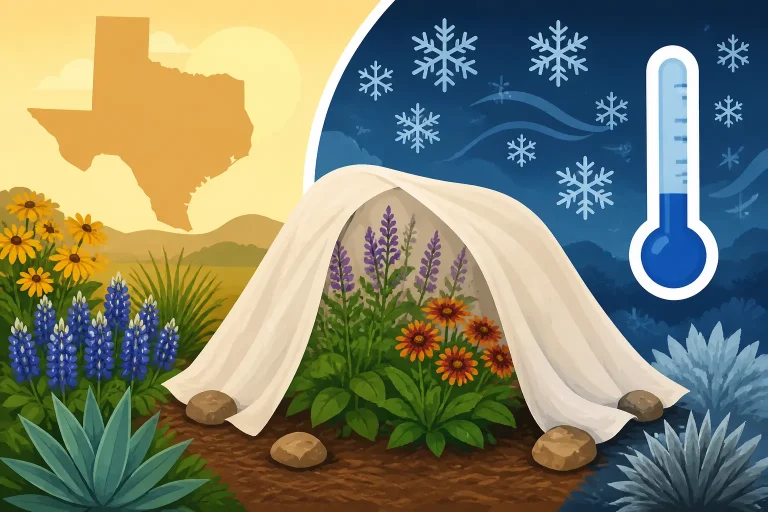
Before covering plants, identify what needs protection and choose a method suited to the plant and expected conditions. A cover needs to protect foliage without crushing it, and it should be secured so wind does not lift it. Follow reliable local guidance for the particular situation; a cover is not a guarantee that every plant will avoid cold damage.
Watering also needs to respond to current weather and soil moisture. Cooler conditions may reduce how quickly soil dries, but dry wind and exposed sites can still remove moisture. Check the root zone rather than sticking to the same routine used in summer. Avoid keeping soil saturated, especially around plants that are entering slower growth.
As beds empty, remove diseased crop debris and weeds that could interfere with future planting. Healthy residues can be managed according to their condition and the role they play in the garden. Refresh mulch where needed, leaving space around stems and trunks. Use the month to note which crops handled your local fall conditions well and which were a poor fit.
December
December is a time to protect what remains, review the season and make small improvements for the next cycle. In warmer areas, some vegetables may still be growing; in colder areas, the garden may be mostly dormant. The right task is to respond to what is actually in the bed rather than trying to force every garden into the same winter schedule.
When cold weather is expected, move vulnerable containers to shelter if possible and protect plants that are susceptible to cold injury. Do not assume a plant is safe because it survived a previous mild winter; its exposure, age, health and location all matter. After a cold event, wait to see what growth remains viable before removing damaged parts.
Check the garden’s basic infrastructure while activity is lower. Repair irrigation leaks, clean and store tools, and make a note of beds that drained poorly or were difficult to reach. Think about whether paths, water access and spacing made routine care easier or harder. A small layout change can prevent recurring problems.
Use your notes to plan the next season. Record crops that produced reliably, varieties that struggled, and any planting that ran into heat or cold before it was ready. Decide what you want to grow before buying seed or plants, and leave room for a later crop if you want to use the garden across more than one season. A plan that allows flexibility is more useful than a rigid schedule.
Adjust the calendar to your region and garden
A month-by-month outline gives you structure, but regional differences determine how to apply it. Coastal conditions, inland heat, elevation, wind exposure and local cold patterns can all affect what is practical. Even within one area, a sunny raised bed, a shaded in-ground plot and a container on pavement may need different attention. Freeze Risk and Growing Season Length Across Texas Regions provides a broader way to think about those regional differences.
Use a few reliable decision habits throughout the year:
- Check the crop, not just the month. Follow the crop’s growing requirements and consider how much suitable weather remains.
- Check the bed before planting. Soil that is waterlogged, compacted or too dry is not ready just because a calendar says it is time.
- Include overnight conditions in the decision. Warm afternoons do not tell the whole story for cold-sensitive plants.
- Plan for establishment. New seedlings and transplants need suitable light, moisture and protection while roots develop.
- Make room for seasonal change. A garden can shift from cool-season crops to warm-season crops and back again, but not every bed needs to change at once.
- Keep a record. Your own observations can help distinguish a one-off weather surprise from a recurring problem in a particular bed.
A useful calendar has space for uncertainty. If a cold spell or heat wave interrupts the plan, protect what can reasonably be protected, pause new planting if conditions are unsuitable and revise the next step. You do not need to complete every task in the month listed. The purpose is to notice what is coming and act when the garden is ready.
For a vegetable garden, planning for more than one growing period can make better use of space, but it also requires matching crops to the local climate and your available time. A crop that performs well in one season may struggle in another. Managing Year-Round Planting Calendars in Warm Texas Regions is useful for gardeners in warmer areas, while Texas Spring and Fall Planting Windows by Region helps compare regional timing.
The same flexible approach applies to flowers, herbs, shrubs and trees. A planting calendar can remind you to prepare, water, inspect or protect, but plant selection still needs to fit the site. Consider mature size, sunlight, soil drainage and ongoing water needs before adding plants. For landscape planning, Matching Texas Native Plants to Your Ecoregion and Soil Type can help connect plant choice with local conditions.
The most dependable Texas gardening calendar is one that combines seasonal awareness with observation. Use the months to organize your work, local guidance to refine planting windows and your own garden notes to improve the plan. When weather changes the schedule, adjust rather than treating the calendar as a deadline.
Frequently Asked Questions
Can one planting calendar work across all of Texas?
It can provide a starting structure, but it cannot set the same planting windows for every region and yard. Use regional crop guidance and current conditions to decide when to sow or transplant.
Should I plant as soon as a warm spell arrives?
Not necessarily. Check the crop’s needs, soil condition and overnight outlook. A brief warm spell does not guarantee that conditions will remain suitable.
What should I do if heat or cold interrupts my plans?
Pause planting if conditions are unsuitable, protect vulnerable plants when practical and reassess after the weather changes. Adjusting the plan is often better than forcing a crop into stressful conditions.
Is a garden journal worth keeping?
Yes. A short record of planting, weather, watering and harvest can reveal which crops and locations work best in your yard and help you make better decisions next season.
Sources
- Texas A&M AgriLife Extension Service — tag based on what is being viewed. We filter the output of wp_title() a bit – see agriflex_filter_wp_title() in functions.php. –> <title> Vegetable Gardening in Austin – Urban Programs Travis County (checked November 14, 2026)
Disclaimer
This article is for general informational purposes only and does not constitute professional advice. Laws, prices and regulations vary by location and change over time. Consult a qualified professional for guidance on your specific situation. Texas Gardening Hub is not a government agency and is not affiliated with any university extension, state department of agriculture or other government agency.